

Send Inquiry Send SMS
Mars EDPAL Instruments Pvt. Ltd
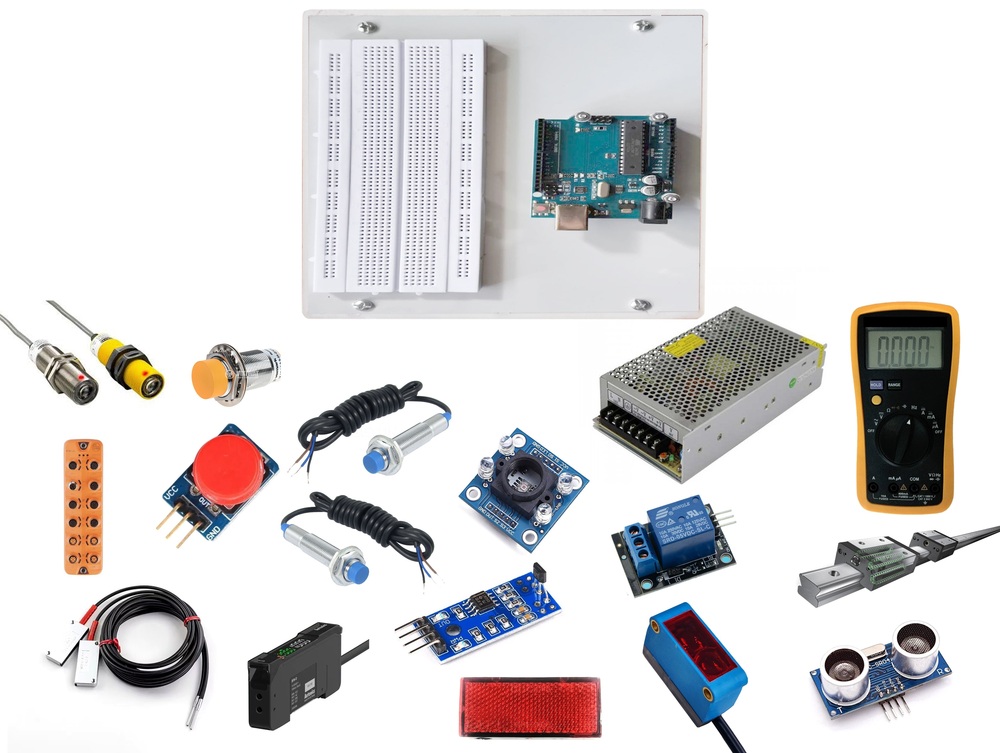
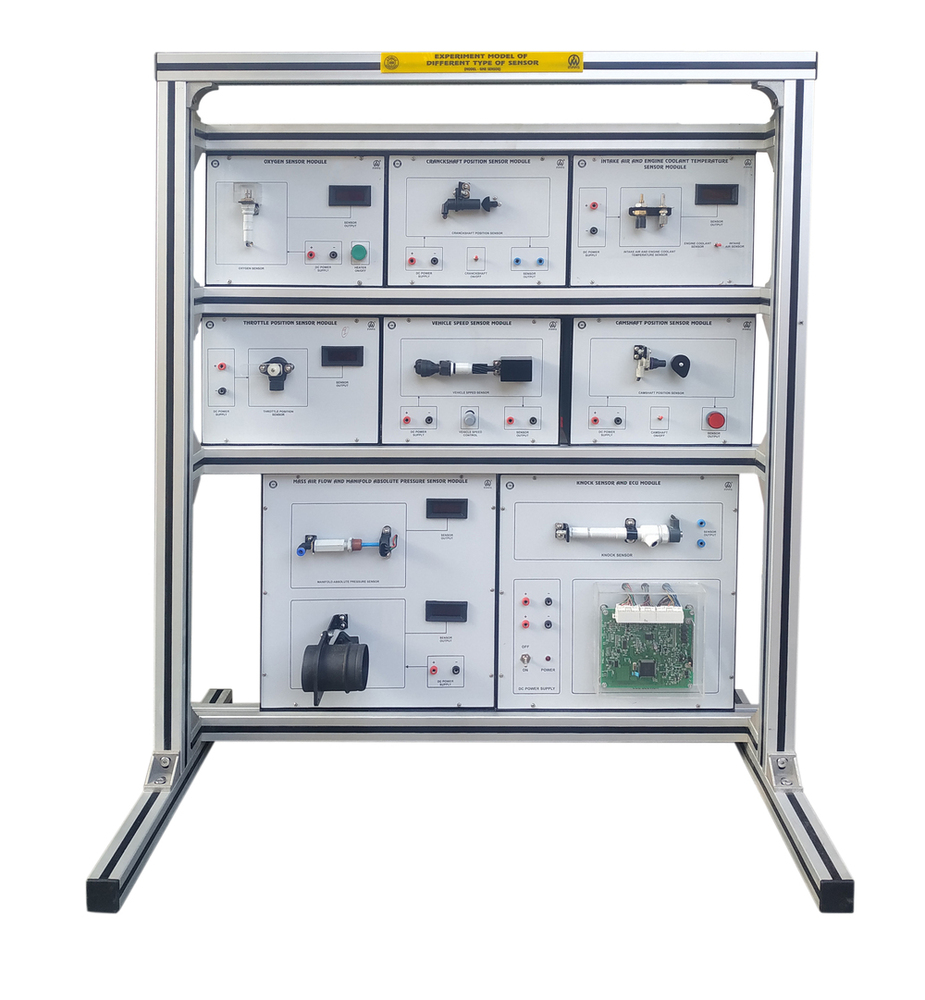
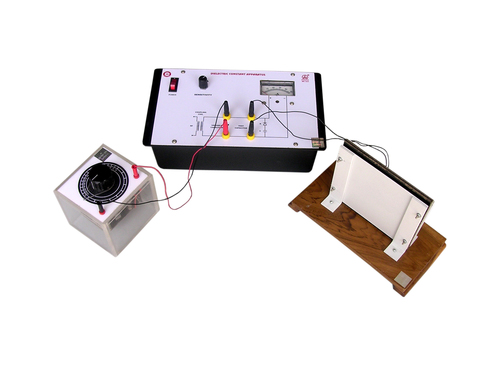
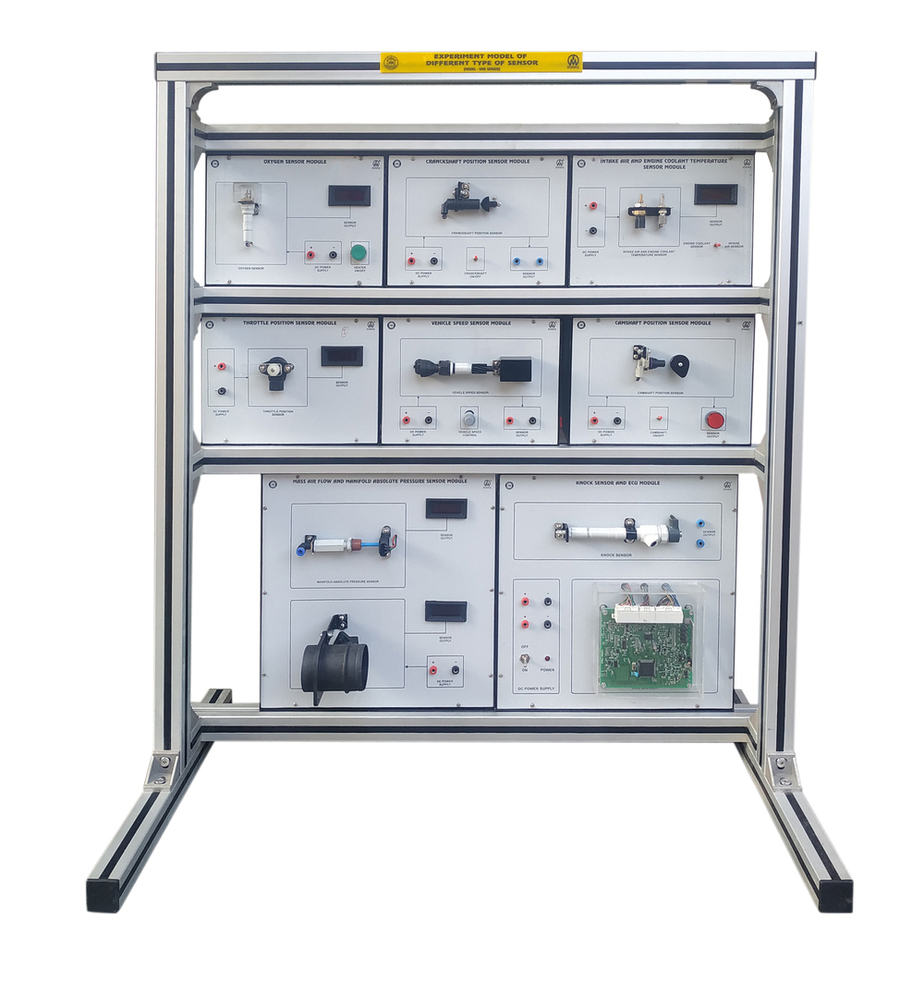
Sensor lab  Sensor training platform

Sensor lab Sensor training platform

1120000 INR/Number

Product Details:

  • Core Components Sensor modules, control unit, power supply, measurement units
  • Measurement Range Sensor dependent, typically up to 0-10V analog; 0-20mA current sensors
  • Model No SL-100
  • Temperature Range Ambient, dependent on sensor module
  • Voltage 230 V
  • Power Source 230V AC mains
  • Frequency 50 Hz
  • Click to View more
X

Sensor lab Sensor training platform Price And Quantity

  • 1 Number
  • 1120000 INR/Number

Sensor lab Sensor training platform Product Specifications

  • Sensor specific, typically 1% - 2%
  • Modular plug-in design, individual sensor experiments, easy assembly
  • Semi-Automatic
  • Educational/Training
  • Multi-sensor modules, supports several sensor experiments
  • 1200 x 500 x 1400 mm (approx.)
  • Sensor Training Platform
  • SL-100
  • Aluminum frame, engineering plastic, powder coated metal
  • Sensor dependent, typically up to 0-10V analog; 0-20mA current sensors
  • Sensor modules, control unit, power supply, measurement units
  • Panel-mounted analog/digital meters
  • 50 Hz
  • 230V AC mains
  • Ambient, dependent on sensor module
  • 230 V
  • Approx. 35-45 kg
  • Supports additional sensors on request
  • Circuit protection, overload protection, insulation tested
  • Connecting leads, user manual, experiment book
  • 0-50C, 10-90% RH non-condensing
  • 230V 10%, 50Hz
  • Free standing with anti-slip feet
  • Premium grade anodized aluminum structural frame
  • Modular plug-in experiment boards
  • Typically 6-10 interchangeable slots
  • LED, Display Panel, Buzzer (as needed)
  • Engineering Colleges, Polytechnic Institutes, Skill Development Labs
  • Temperature, Pressure, Proximity, Light, Humidity, Speed, etc.
  • -10C to +70C

Product Description

Training platform will have following technicalfeatures

a. On board display: 7 capacitivetouchscreen

b. Connectivity: USB, Ethernet &HDMI

c. Square Wave Generator: up to 40KHz

d. Low Pass Filter: up to 30KHz

e. High Pass Filter: After 40KHz

f. Inverting Amplifier: Variable Gain1-10

g. Non-Inverting Amplifier: VariableGain 2-10

h. Differential Amplifier: Variable Gain1-10

i. Instrumentation Amplifier: VariableGain 10-20

j. Frequency to Voltage: Input: 1-10KHz

k. Converter range Output: 1-10Volt

l. Voltage to Frequency: Input: 1-10Volt

m. Converter range Output: 1-10KHz

n. Current to Voltage: Input: 4-20mA

o. Converter range Output: 0-5Volt

p. Voltage to Current: Input: 0-5Volt

q. Converter range Output: 4-20mA

r. Analog/Digital Converter: 4 Channel(0-5V)

s. Digital/Analog Converter: 1 Channel(0-3.3V)

t. Input/ Output Ports: 4-IP / 4-0P

u. Operating Voltage Range: 0 3.3V

v. Ready assignment and exercise manuals

w. Robust construction.

This training system will have thefollowing sensors of the given specifications as per the below given table: -

Temperature Sensors

1. LM35: 10mV/ C

2. Platinum RTD: 100W at 0C (Temp.coefficient 0.385 W /C)

3. K Type Thermocouple: 0C to 80C

4. J Type Thermocouple: 0C to 80C

5. AD590: - 55C to +150C

6. NTC Thermistor: 4.7K

Optical Sensors

1. L14G1 Photo Transistor: 500nm 1100nm

2. Photovoltaic Cell: 500mV 580mV

3. Phot Diode: 500nm 1100nm

IR Sensors

1. TSOP 1738

2. IR LED

Pressure Sensor

1. Pressure Transducer: 0 to 60 psi,differential input

2. Foot Pump: 0 to 60 psi

3. Supply Voltage- +5V DC

LVDT Coil

1. Measurement Range: 20 mm (10 mm)

3. Excitation Voltage: 4Vpp(approximately)

4. Micrometer Scale: 25 mm

5. Micrometer Least count: 0.01 mm

2. Excitation Frequency: 4 KHz(approximately)

Load Cell

1. Rated Load: 6 Kg

2. Supply Voltage: +12V DC

3. Resistance: 350 3

Strain Gauge

1. Strain Gauge (350): 4 Nos.

2. Gauge Factor: 2:1

3. Maximum Bearable Weight: 500 Gms.

4. Cantilever Material: StainlessSteel/MS

5. Bridge Configuration: Full Bridge

Gas Sensor

1. Supply Voltage: +5V DC

2. Warm up Time: 10 Min

3. Calibrated Gas: 1000 ppm isobutane

Alcohol Sensor

1. Supply Voltage: +5V DC

2. Output Voltage: 0 to 5V DC

3. Warm up Time: 10 Mins

Optocoupler Sensor

1. Input Voltage: +5V

2. Output Voltage: +5V (approximately)

Magnetic Reed Sensor

1. Maximum Voltage: 5Vdc

2. Maximum Current: 0.5A at up to 10W

3. Magnetic Reed Switch Type: Normally

Level Sensor

1. Transducer: Capacitive Type

2. Level Measurement Range : 2 -3 Liter

Accelerometer Sensor

1. Supply Voltage: +3.3V DC

2. ADC channel (X, Y, Z): 3

3. Operating Current: 1ma

4. Zero G output voltage (X, Y, Z): Idleoutput is VDD/2 So 3.3V/2=1.65V

Temperature Humidity Sensor

1. Supply: +5V DC

2. Operating Humidity: 0 to 100 %RH

3. Output Signal: Analog Voltage

4. Temperature Range: 0 to 100 C

5. Output Signal: Analog Voltage

Air Quality Sensor

1. Supply: 3.3V to 5V

2. Output Signal: Analog Voltage

3. Detection Range: 10 - 300 ppm NH3, 10- 1000 ppm Benzene, 10 300ppm Alcohol

4. Heater Voltage: 5.0V

PIR Sensor Atmospheric Pressure Sensor

1. Supply Voltage: +5V DC

2. Detection Range: 6 Meters

1. Supply Voltage: +5V

2. Pressure Range

3. Min.: 15kPa

4. Max.: 115 kPa


Versatile Sensor Experimentation

With up to 10 interchangeable sensor modules, the SL-100 platform allows extensive experimentation across parameters including temperature, pressure, humidity, proximity, light, and speed. This modularity equips students and trainees with practical exposure to various real-world sensor technologies, fostering deeper conceptual understanding.


Safety and Robust Construction

The SL-100 is designed with multiple safety features, including circuit and overload protection, as well as insulation-tested components. Its structural frame consists of premium grade anodized aluminum, complemented by engineering plastics and powder-coated metal, ensuring both safety and longevity even in rigorous learning environments.


Ease of Use and Expandability

Featuring a modular plug-in design, individual sensor boards are easy to insert and remove, supporting rapid experiment setup and reconfiguration. The system is expandable-additional sensors can be accommodated upon request-making it future-ready for evolving academic needs. Accurate readings are displayed via analog/digital panel meters, LEDs, and buzzers as required.

FAQ's of Sensor lab Sensor training platform:


Q: How do I set up the Sensor Lab SL-100 for a new experiment?

A: Setting up the SL-100 involves simply inserting the appropriate sensor module into one of the modular slots, connecting leads as per the experiment book, and switching on the platform using the supplied 230V AC mains power source. The process is user-friendly and does not require advanced technical skills.

Q: What types of experiments can be conducted with this platform?

A: The SL-100 covers a broad range of sensor-based experiments, including those involving temperature, humidity, light, proximity, pressure, and speed. The included experiment book offers step-by-step instructions to perform these practicals, making it suitable for diverse educational curricula.

Q: When should the system be expanded with additional sensors?

A: Expansion is recommended when you wish to include new types of sensor experiments beyond the standard modules provided. The platform is designed to support additional sensors upon request, allowing institutions to adapt to emerging curriculum requirements.

Q: Where is the ideal environment to operate the SL-100 sensor platform?

A: The SL-100 should be used in educational or training labs with ambient temperatures between 0C to 50C and relative humidity from 10% to 90% (non-condensing). For storage, it should be kept between -10C and +70C to maintain component integrity.

Q: What safety features are integrated into the platform?

A: For reliable and secure operation, the SL-100 includes circuit protection, overload safeguards, and insulation-tested construction. These features protect both users and the equipment during experiments and power fluctuations.

Q: How does using this platform benefit engineering students?

A: The modular and practical nature of the SL-100 enables hands-on experimentation with real-world sensor technologies. This strengthens students' problem-solving abilities, deepens understanding of sensor systems, and prepares them for roles in automation, instrumentation, and engineering industries.

Tell us about your requirement
product

Price:

Quantity
Select Unit

  • 50
  • 100
  • 200
  • 250
  • 500
  • 1000+
Additional detail
Mobile number

Email

Other Products in 'Instrumentation Lab Equipments' category


trade india member
Mars EdPal Instruments Pvt. Ltd. All Rights Reserved.(Terms of Use)
Developed and Managed by Infocom Network Private Limited.