Product Description
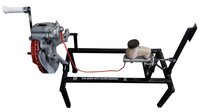
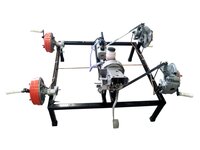
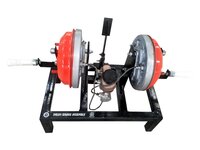
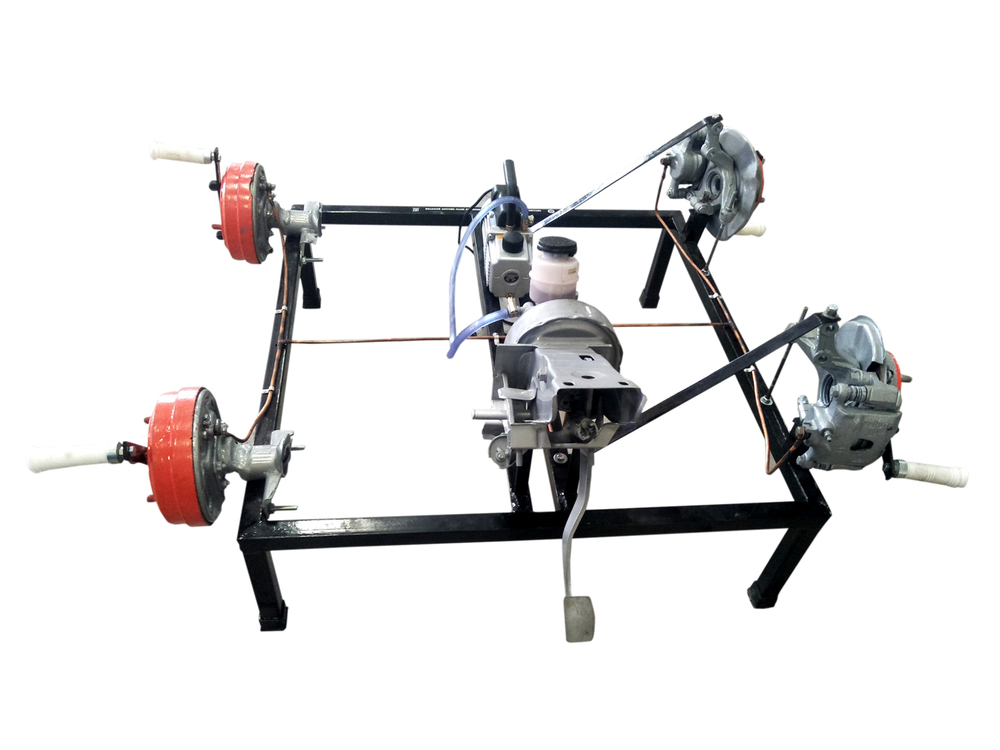
BRAKE TEST RIG (SHOE BRAKE, DISCBRAKE)
Actual Section Models in WorkingCondition
Actual Section Model of Single Shoe Brake (Working Condition)
Actual Section Model of Double Shoe Brake (Working Condition)
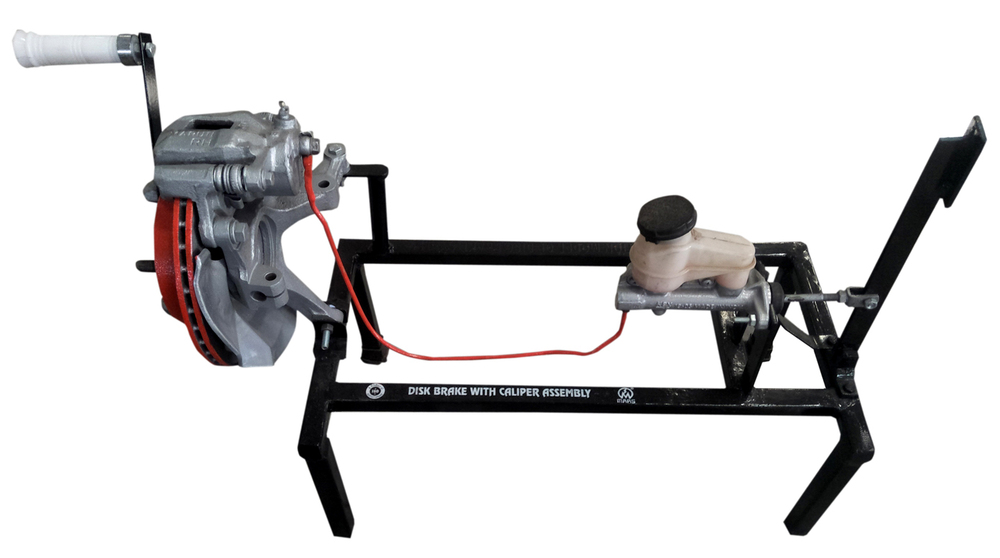
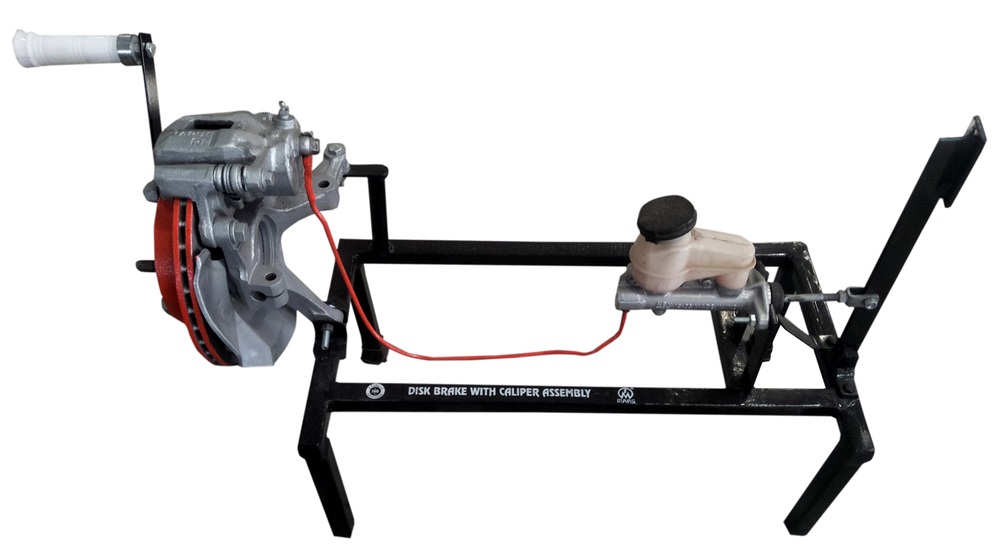
Actual Section Model of Hydraulic Disc Brake (Working Condition)
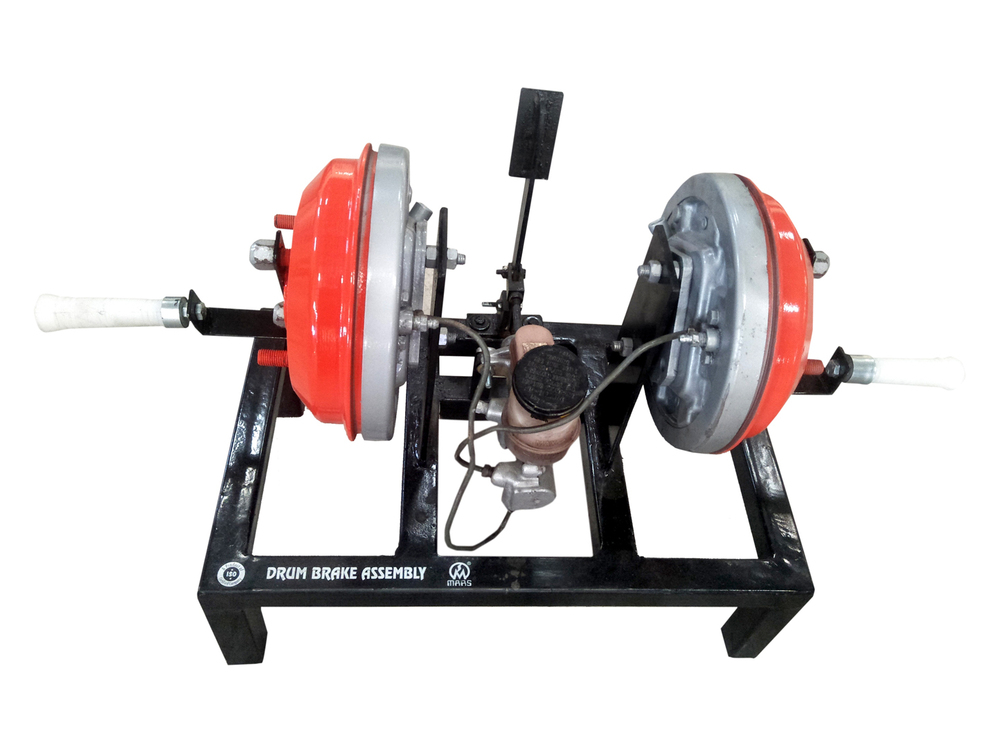
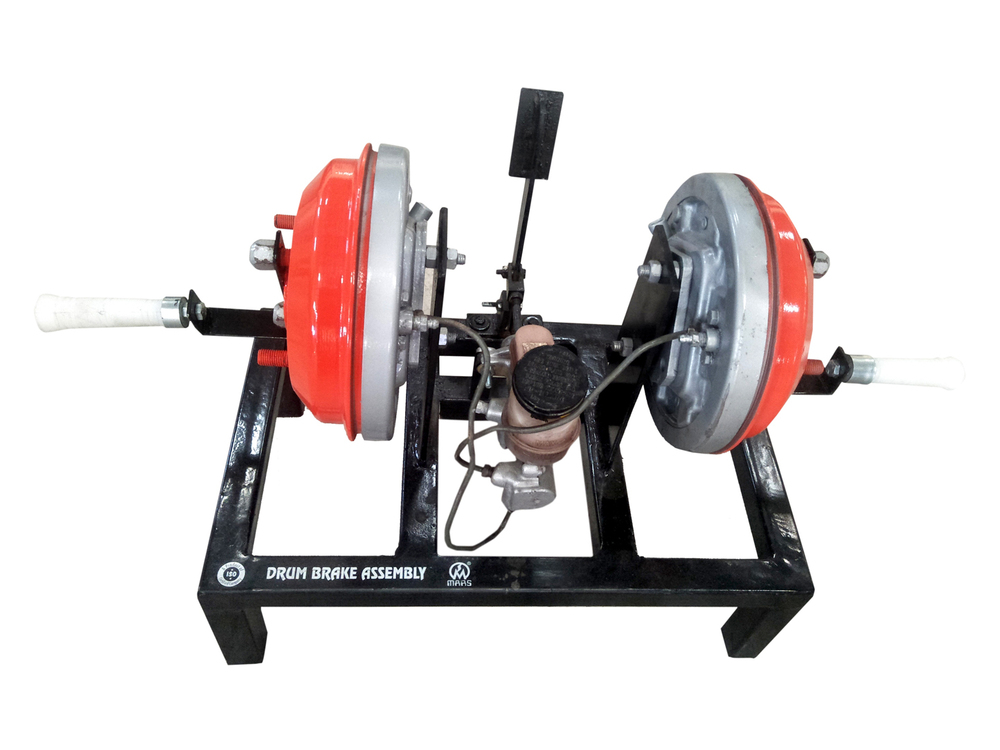
Actual Section Model of Hydraulic Drum Brake (Working Condition)
Actual Section Model of Mechanical Drum Brake (Working Condition)
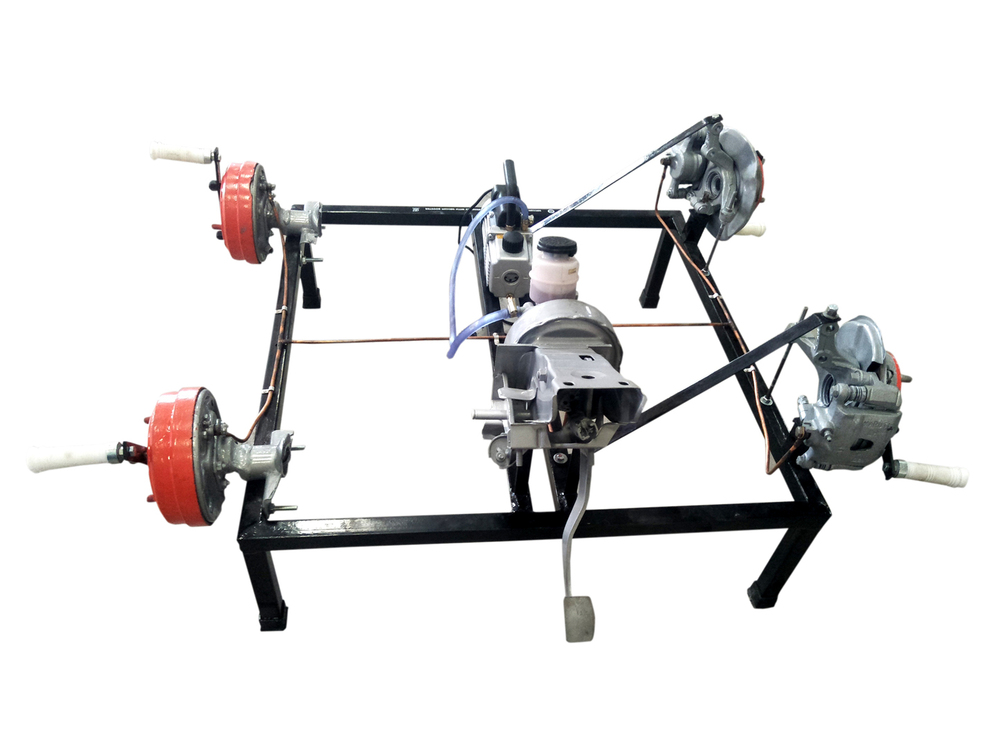
Vacuum Assisted Hydraulic Drum Brake with Vacuum booster and motorized vacuumpump
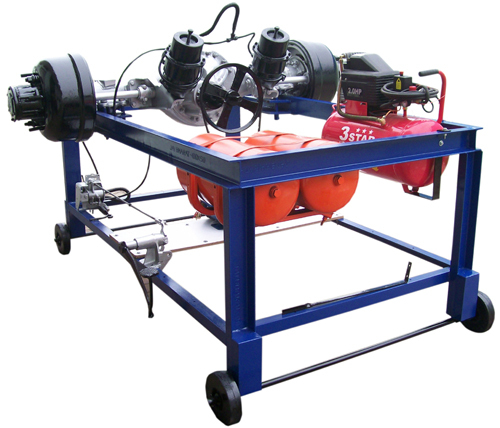
Air Brake with Compressor
Versatile Brake Testing CapabilitiesThe BTR-1000 Brake Test Rig supports both shoe and disc brake testing in a single setup. Its modular design enables easy swapping between brake types, ideal for comparative studies and flexible research needs. Interchangeable brake systems, along with precise digital measurement tools, allow accurate evaluation for educational demonstrations, research projects, or industrial product testing.
Safety-Integrated Control PanelEquipped with an integrated control panel and safety cut-off, the test rig provides reliable operation and user protection. All measurements are displayed on digital/analog panels for direct reading, and the transparent safety covers safeguard users during operation. Powder-coated anti-rust finish ensures long-term durability in various environments.
Portable and Customizable DesignWith a wheel-mounted frame and compact footprint (approx. 1500 x 900 x 1100 mm), the brake test rig offers portability and ease of installation. It can be repositioned within laboratories or workshops as required. Braking force capacity is customizable up to 1000 kg, and core components are manufactured from robust mild steel and cast iron/steel for longevity.
FAQ's of BRAKE TEST RIG (SHOE BRAKE, DISC BRAKE):
Q: How is the BRAKE TEST RIG (BTR-1000) installed and where is it best used?
A: The BTR-1000 is designed with a portable, wheel-mounted frame for easy setup in laboratories or workshop environments. Its compact size and robust construction make it suitable for educational institutions, research centers, and industrial testing facilities.
Q: What brake types and arrangements can it test, and how does it handle different configurations?
A: This rig is built to test both shoe and disc brakes, with the flexibility to switch between single or dual brake arrangements. Its interchangeable brake systems and direct force measurement enable a variety of tests, supporting diverse research and training objectives.
Q: When should I use the integrated safety features, and how do they enhance the testing process?
A: Safety features, including the control panel's safety cut-off and transparent covers, should always be engaged during operation. These elements help protect users from accidental contact or overload, ensuring a secure testing environment throughout each process.
Q: What is the process for measuring braking force and data collection on this rig?
A: The rig employs high-accuracy load cells (1% of range) for braking force measurements, speed sensors, and temperature sensors. Data can be viewed on digital/analog displays, output via USB or RS232, or printed on an optional printer, making analysis straightforward and accessible.
Q: How does the BTR-1000 benefit educational and research applications?
A: Its direct measurement capabilities, transparency of operation with clear covers, and modular design facilitate hands-on demonstrations and precise experimentation. These features are invaluable for teaching principles of brake mechanics and conducting advanced product development or quality testing.
Q: What is the usage capacity and temperature range for this test rig?
A: The BTR-1000 can measure braking forces up to 1000 kg (customizable) and temperature variations from ambient up to 80C. This enables comprehensive testing of brake materials and performance under realistic thermal conditions.
Q: Where is the data output supported and what output interfaces are included?
A: Test data can be exported digitally via USB or RS232 ports, and an optional printer can be connected for hard copy records. This versatility supports systematic documentation and further analysis, both in educational demonstrations and industrial reporting.








 Send Inquiry