Product Description
Engine Specifications
Loading Arrangement
A B C Fuel Measuring System
Air Intake Measuring System
Measurement of Heat Carried
Exhaust Gas Calorimeter
Thermometersfor measuring water and gas temperatures
Utilities Required
Parameter Requirement
ElectricalSupply SinglePhase 220 V 5 A
WaterSupply 10LPM Approx Continuous
Fuel 10Litres
FloorArea 3m 2 m
Tachometer For RPM Measurement
ExperimentsConducted
6Determination of Specific Fuel Consumption
7Determination of Brake Horse Power BHP
8Determination of Mechanical Efficiency
9Determination of Brake Thermal Efficiency
10Determination of Volumetric Efficiency
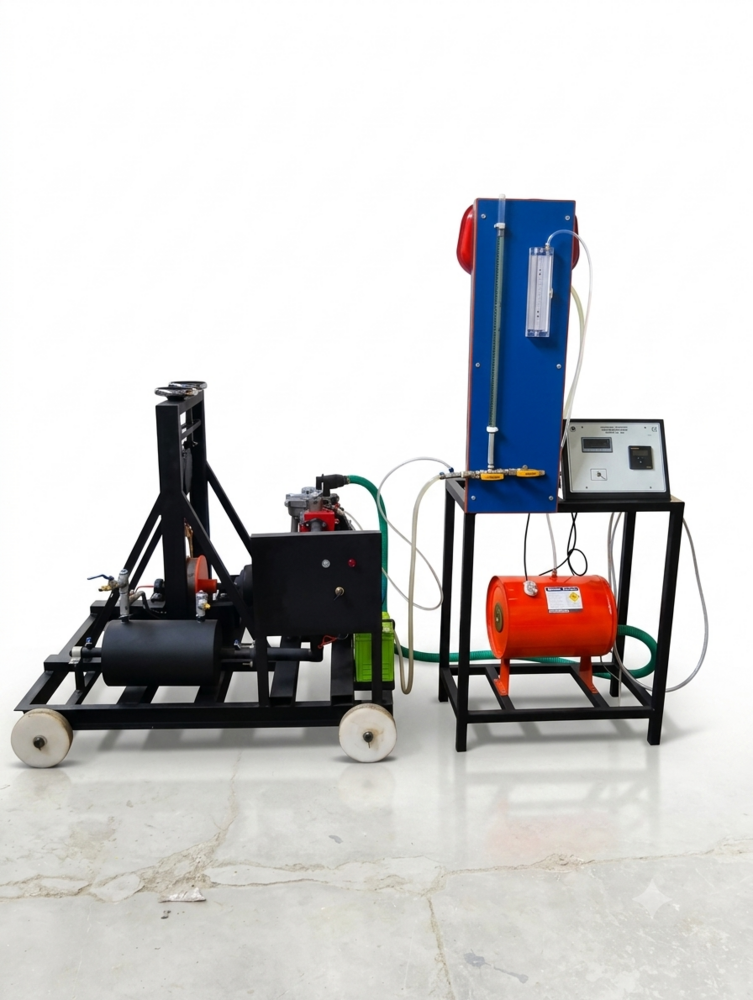
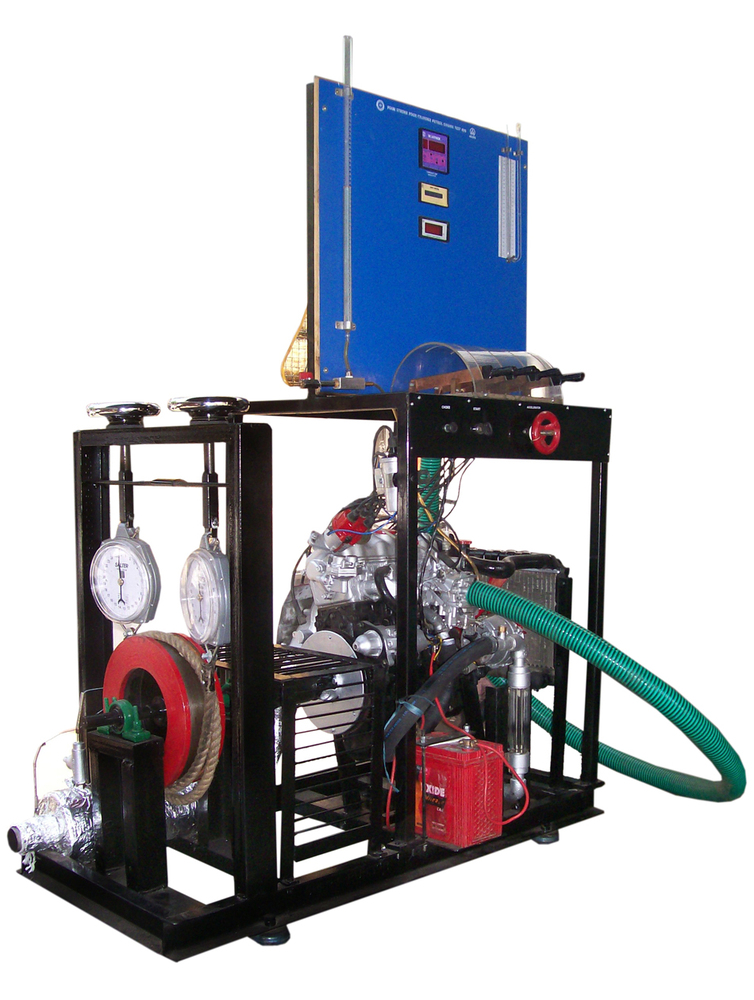
Precision Testing with Advanced InstrumentationEquipped with microprocessor controls, digital/analog displays, and accurate sensors, the test rig provides comprehensive measurement and control over key engine parameters. Its dual dynamometer options and burette-based fuel system deliver reliable data, making it invaluable for engine performance assessment and laboratory experiments.
Robust, Educational Design for Versatile ApplicationsConstructed from corrosion-resistant materials and featuring a self-contained lubrication system, the rig supports rigorous academic use and research. Its modular design with USB/Serial data output (optional) enables integration with various teaching and data analysis environments, ideal for undergraduate and postgraduate labs.
FAQ's of MULTI CYLINDER DIESEL ENGINE TEST RIG:
Q: How is engine performance measured using the MULTI CYLINDER DIESEL ENGINE TEST RIG?
A: Engine performance is measured using microprocessor-based controls and digital indicators. The rig assesses parameters such as RPM, fuel consumption (using a burette and graduated cylinder), temperature, and braking torque with high accuracy using an eddy current or hydraulic dynamometer.
Q: What is the process for setting up and operating the test rig in a laboratory environment?
A: To set up, connect the multi-cylinder diesel engine to the control panel and instrumentation. Ensure water cooling and the self-contained lubrication system are properly filled. Use the electric starter to begin testing. All readings are monitored on the digital/analog panel, and optional data output can be transferred via USB or serial port for documentation.
Q: When is it beneficial to use the optional exhaust gas calorimeter?
A: The exhaust gas calorimeter is beneficial when analyzing engine heat losses and exhaust energy, which is important for energy balance calculations, advanced research, and environmental studies in combustion analysis.
Q: Where can the MULTI CYLINDER DIESEL ENGINE TEST RIG be utilized most effectively?
A: This test rig is most effective in educational laboratories for mechanical and automobile engineering departments, as well as research and testing centers requiring multi-cylinder diesel engine performance evaluation.
Q: What are the main benefits of using this test rig in mechanical and automobile engineering studies?
A: The rig provides accurate, repeatable measurements for a range of engine parameters, supports hands-on learning with real engine systems, and enables data collection for detailed performance analysis, enhancing both educational outcomes and research capabilities.
Q: How is speed measured and monitored during engine testing?
A: Speed is measured using a digital RPM indicator and a tachometer (range: 0-5000 RPM), ensuring real-time and precise monitoring during all phases of engine operation.








 Send Inquiry